When severe weather hits, homeowners often need fast, reliable roofing west chester services to restore their properties. Storm damage can compromise your roof’s integrity, leading to leaks, structural issues, and costly repairs if not addressed quickly. From heavy winds and hail to fallen debris, even a single storm can cause hidden problems that worsen over time.

Understanding how storm damage affects your roof and what restoration involves is essential for protecting your investment. Professional roof restoration not only repairs visible damage but also strengthens your roof against future weather events. In this guide, we’ll explore everything you need to know about storm damage restoration, helping you make informed decisions and keep your home safe year-round.

Understanding Storm Damage to Your Roof

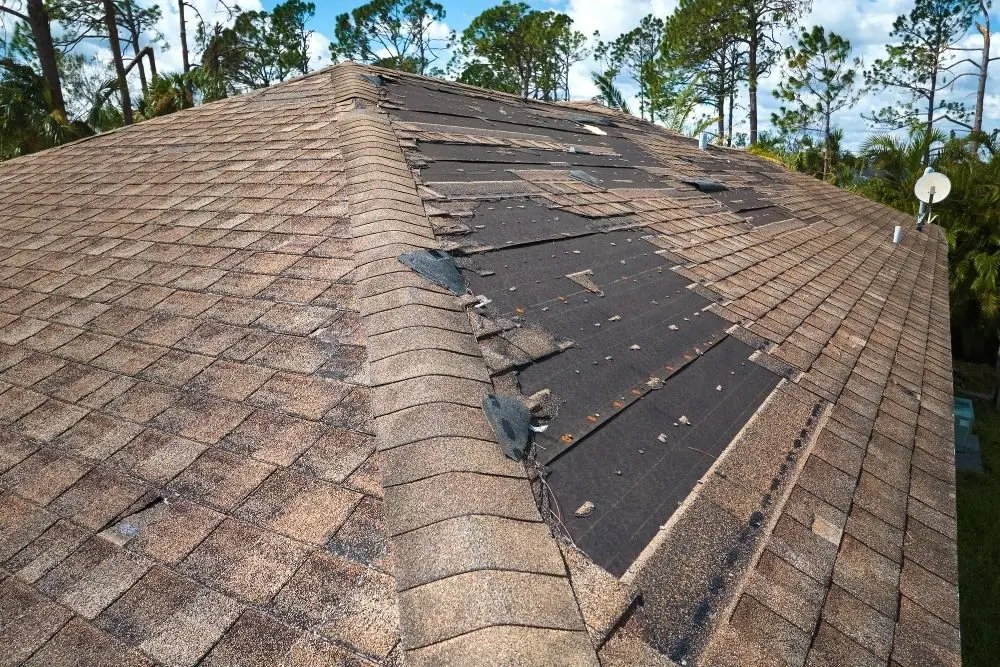
Storm damage can occur in many forms, often depending on the severity and type of weather event. High winds may lift or tear off shingles, while hail can create dents and cracks that weaken roofing materials. Heavy rain can expose vulnerabilities, allowing water to seep beneath the surface and cause long-term issues.

One of the biggest challenges homeowners face is identifying damage that isn’t immediately visible. Small cracks or loosened shingles can go unnoticed but may lead to leaks over time. This is why post-storm inspections are critical, even if your roof appears intact.

Ignoring minor damage can result in more extensive problems, including mold growth, insulation damage, and structural weakening. Acting quickly ensures that small issues are repaired before they escalate into costly repairs. Professional restoration services focus on both visible and hidden damage, ensuring your roof is fully protected after a storm.

Signs Your Roof Needs Storm Restoration

After a storm, it’s important to recognize the warning signs that indicate your roof may need restoration. Missing or damaged shingles are among the most obvious indicators, often visible from the ground. You might also notice granules collecting in gutters, which signals shingle deterioration.

Inside your home, water stains on ceilings or walls can point to roof leaks. These stains may appear days or even weeks after the storm, making it crucial to stay vigilant. A musty smell in the attic can also indicate moisture buildup caused by roof damage.

Other signs include sagging roof sections, damaged flashing, and debris accumulation. Even if these issues seem minor, they can quickly worsen if not addressed. Scheduling a professional inspection ensures that all damage is properly identified and repaired before it leads to more significant structural concerns.

roofing

The Importance of Immediate Roof Inspections

Timely inspections are one of the most important steps following a storm. A professional roofing contractor can assess the extent of damage and determine whether repairs or full restoration are necessary. Early detection helps prevent further deterioration and reduces overall repair costs.

Inspections also provide documentation that may be required for insurance claims. Many policies require proof of damage and timely reporting, making a professional assessment essential. Without proper documentation, homeowners may face delays or denials when filing claims.

Additionally, prompt inspections help maintain your home’s safety. A damaged roof can pose risks, including water intrusion and weakened structural support. By addressing these issues early, you can avoid more extensive repairs and ensure your home remains secure and protected.

Roof Restoration vs. Roof Replacement

When dealing with storm damage, homeowners often wonder whether restoration or replacement is the better option. Roof restoration focuses on repairing and reinforcing existing materials, making it a cost-effective solution for moderate damage. It extends the life of your roof without the expense of a full replacement.

Roof replacement, on the other hand, is necessary when damage is extensive or the roof has reached the end of its lifespan. While more costly, it provides a completely new roofing system with improved durability and energy efficiency.

A professional assessment will help determine the best course of action. Factors such as the age of your roof, the extent of damage, and your budget all play a role. In many cases, restoration is sufficient and can restore your roof’s performance while saving money.

The Roof Restoration Process Explained

The roof restoration process begins with a thorough inspection to identify all areas of damage. Once the assessment is complete, contractors develop a detailed plan to address both visible and hidden issues. This ensures a comprehensive approach to restoration.

Next, damaged materials such as shingles, flashing, or underlayment are repaired or replaced. The roof is then cleaned to remove debris, mold, and algae that may have accumulated. This step is crucial for preparing the surface for further treatment.

Finally, protective coatings or sealants are applied to enhance durability and weather resistance. These treatments help extend the life of your roof and improve its ability to withstand future storms. The result is a restored roof that looks and performs like new.

Choosing the Right Roofing Professionals

Selecting the right contractor is essential for successful storm damage restoration. Look for experienced professionals with a proven track record in handling storm-related repairs. Local expertise is especially valuable, as contractors familiar with regional weather conditions can provide more effective solutions.

Licensing and insurance are also important factors to consider. These credentials ensure that the contractor meets industry standards and protects you from liability during the project. Reading reviews and asking for references can provide additional insight into the contractor’s reliability.

Communication is another key aspect. A trustworthy contractor will explain the restoration process, provide clear estimates, and keep you informed throughout the project. Choosing the right team ensures quality workmanship and peace of mind during the restoration process.

roofing

Preventing Future Storm Damage

While storms are unavoidable, there are steps homeowners can take to minimize potential damage. Regular roof maintenance is one of the most effective ways to keep your roof in good condition. This includes cleaning gutters, removing debris, and inspecting for wear and tear.

Trimming nearby trees can also reduce the risk of branches falling onto your roof during high winds. Reinforcing vulnerable areas, such as flashing and seals, adds an extra layer of protection against water intrusion.

Investing in high-quality roofing materials designed to withstand harsh weather can make a significant difference. These materials offer improved durability and resistance to wind, hail, and heavy rain. By taking proactive measures, you can reduce the likelihood of storm damage and extend the life of your roof.

Insurance Claims and Roof Restoration

Filing an insurance claim for storm damage can be a complex process, but understanding the steps involved can make it more manageable. After a storm, document any visible damage by taking photos and notes. This evidence will support your claim and help expedite the process.

A professional roofing contractor can assist by providing a detailed inspection report and repair estimate. These documents are often required by insurance companies to assess the extent of damage and determine coverage.

It’s important to review your policy to understand what is covered and any deadlines for filing claims. Working with experienced professionals ensures that all necessary documentation is submitted accurately. This increases the likelihood of a successful claim and helps you receive the compensation needed for restoration.

Benefits of Professional Storm Damage Restoration

Hiring professionals for storm damage restoration offers numerous benefits. Experienced contractors have the skills and tools needed to identify and repair all types of damage, ensuring a thorough and effective restoration process.

Professional services also save time and reduce stress. Instead of attempting repairs yourself, you can rely on experts to handle the entire process efficiently. This allows you to focus on other priorities while your roof is restored.

Additionally, professional restoration enhances the longevity and performance of your roof. By addressing both immediate damage and underlying issues, contractors help prevent future problems. This investment not only protects your home but also increases its overall value and curb appeal.

Conclusion

Storm damage can significantly impact your home, but with the right approach, restoration is both manageable and effective. From identifying early signs of damage to understanding the restoration process, taking prompt action is key to protecting your property. Professional services ensure that all issues are addressed thoroughly, helping your roof withstand future weather conditions.

If you’re dealing with storm damage, trust Spring Valley Roofing for expert solutions. Serving west chester, their team provides reliable restoration services tailored to your needs. Don’t wait for minor issues to become major problems, call (610) 948-5207 today to schedule an inspection and restore your roof with confidence.

Leave a Reply

Your email address will not be published. Required fields are marked *